What Is Soma Sessions
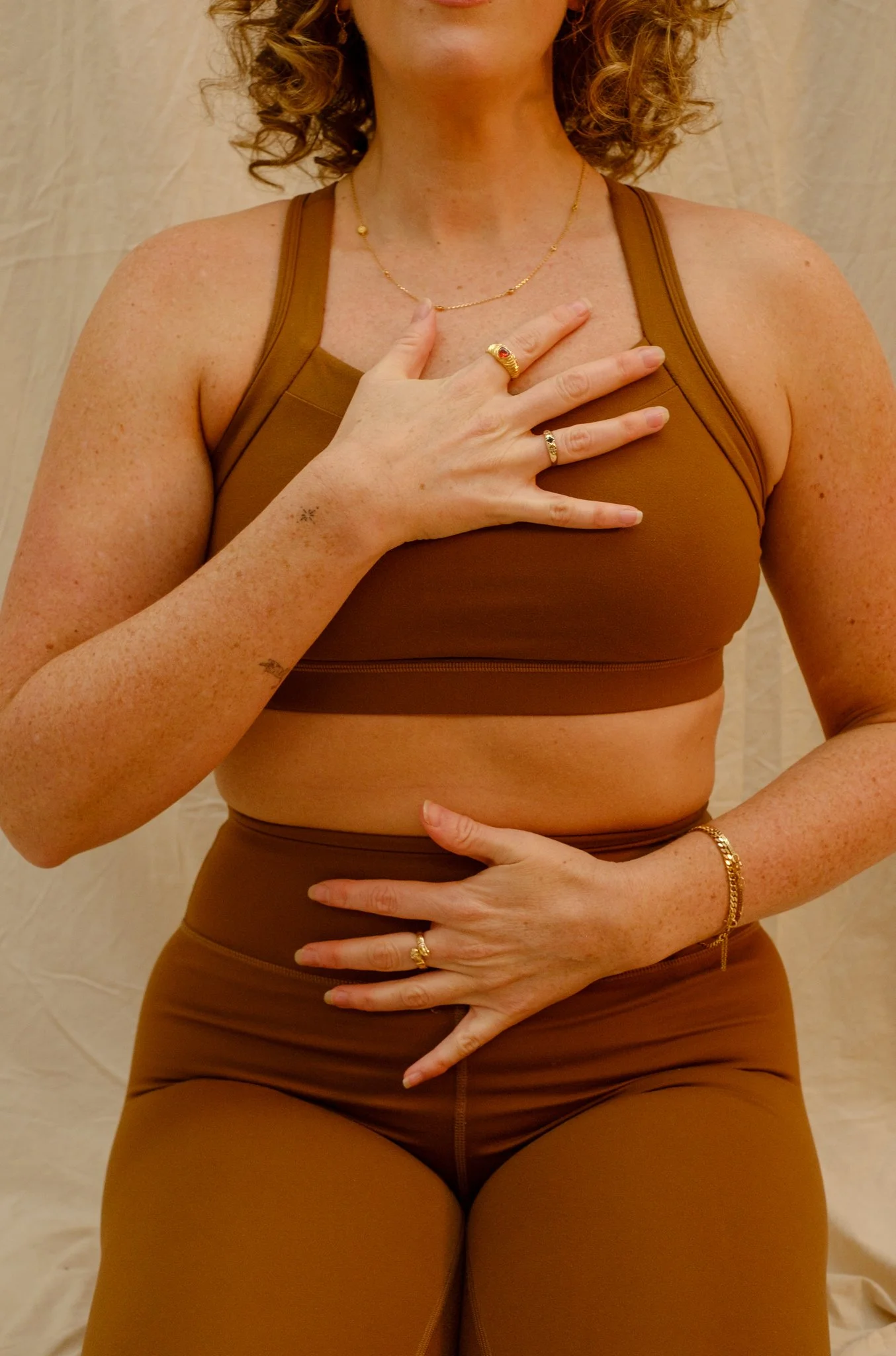
Soma Sessions is a space to reconnect with your body and support your nervous system through movement.
My work is grounded in the understanding that stress, emotion and life experience live in the body, not just the mind. Through somatic movement and dance movement therapy, I support you to slow down, listen inward and work with your body in a way that feels supportive rather than demanding. From there we build a safe baseline and start to develop capacity over time.
This is body-led work that’s not about fixing, performing or pushing through. The aim is to help you build awareness, choice, capacity and allow change to happen through the felt experience.
How Somatic Therapy Works
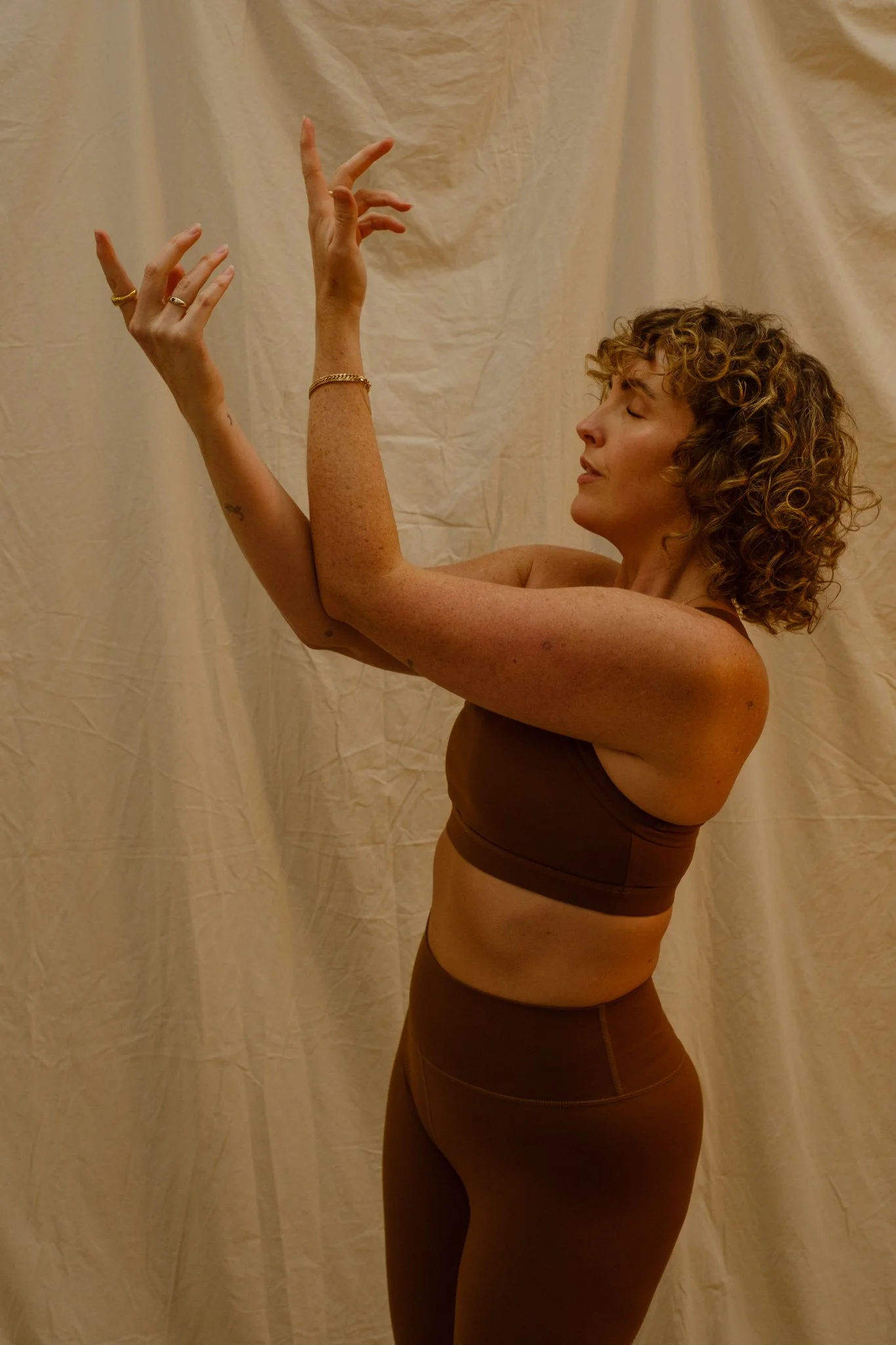
Somatic therapy is a movement-based approach that helps you reconnect with your body from the inside out.
Over time, stress, injury, emotional load and everyday habits can cause muscles to stay subtly contracted even when the original trigger is long gone. The body adapts, but those patterns can become the new normal. Tension lingers then movement feels restricted and the nervous system stays on alert.
Somatic therapy works by bringing awareness back to these patterns and gradually teaching the body how to let go. Rather than stretching or forcing change, we move slowly and with just enough effort to feel what's happening. This creates a conversation between the body and the brain, allowing the nervous system to update old messages and soften habitual holding.
As attention is brought to areas that feel tight or dominant, the body often begins to reorganise more broadly, giving other areas space to settle without being directly targeted.
Why Is This Approach Different?
Somatic work is active and embodied. You’re not being “fixed” from the outside, you’re learning to listen to your body and support change from within.
Because the nervous system learns through movement and experience, this approach can create more lasting shifts than passive techniques alone. It helps build awareness, agency and trust in your body’s own capacity to regulate and respond.
There’s no right way to move, just curiosity, patience, and a willingness to meet your body where it’s at.
Who Is Soma Sessions?
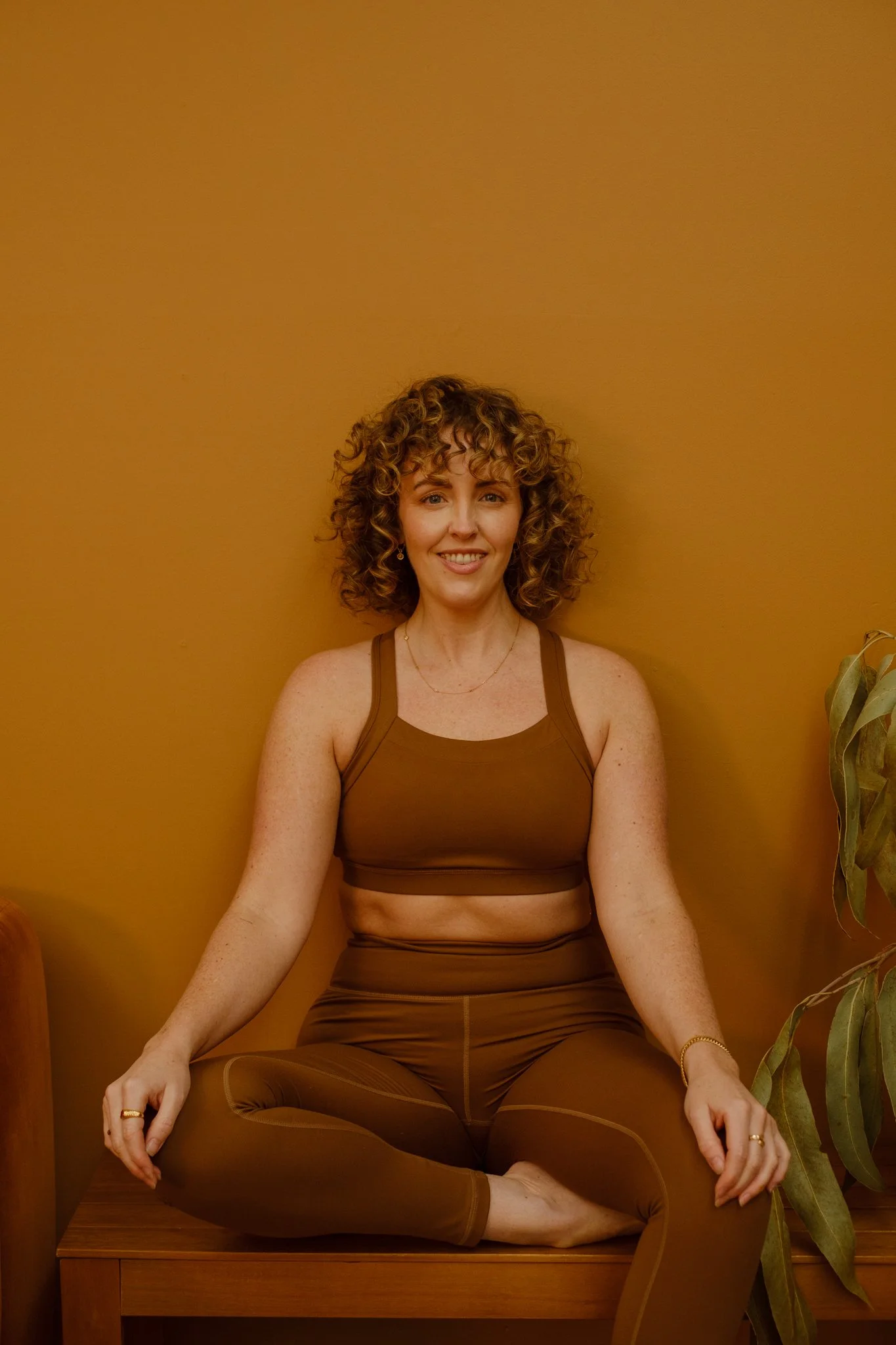
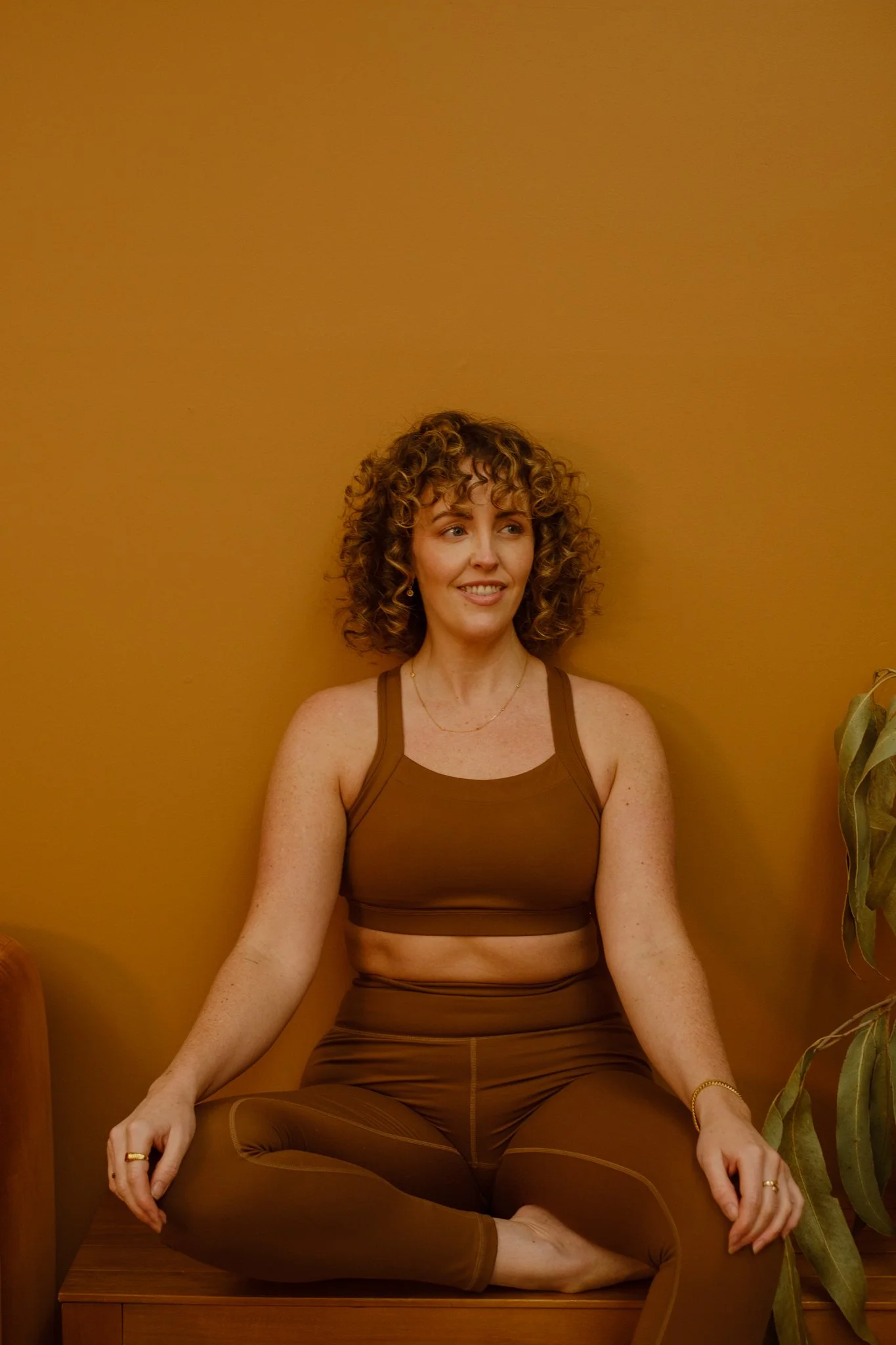
Hi, I’m Robyn,
I'm a somatic movement practitioner and dance movement therapist in training, based on the Gold Coast.
I spent years working in fast-paced, high-pressure corporate roles. Always switched on, overstimulated and chasing the next thing.
My dopamine seeking brain is wired to treat everything as urgent and for a long time that’s how I operated until I constantly broke out in hives and was tired no matter how much I slept. The to-do lists were endless and I was constantly overstimulated and rushing onto the next task before finishing the one in front of me. Over time I started noticing how much that way of working and living was affecting my body. I was constantly tight, wired, anxious, exhausted and never really relaxed even when I had the chance to.
The frustrating part was that I already knew why because I'd done the talk therapy, read the books, I was highly self-aware enough to understand my patterns and why I am the way I am. But I was still reacting the same way, still in the same loops. And I learned it was a nervous system issue. Your nervous system craves familiarity and sometimes that means repeating the same patterns even when you know they're not serving you.
Somatics was the first thing that actually helped me to slow down and go inward. Not just another short-term strategy, but a way of building capacity over time. Learning to notice what was happening in my body rather than overriding it.
That's what led me into somatic movement and dance movement therapy. I didn't want more strategies to manage stress. I wanted to understand what was actually happening and learn how to work with it rather than against it.
I have a background in dance so movement was always a place where I could process, and regulate (not realising it at the time) without needing to overthink. Studying somatic and dance movement therapy deepened that interest in how movement can create change in a way that insight alone often can't.
If you're burnt out, overwhelmed, disconnected from your body, or if you understand your patterns but still feel stuck in familiar responses, you’re exactly who this work is for.
How I Work
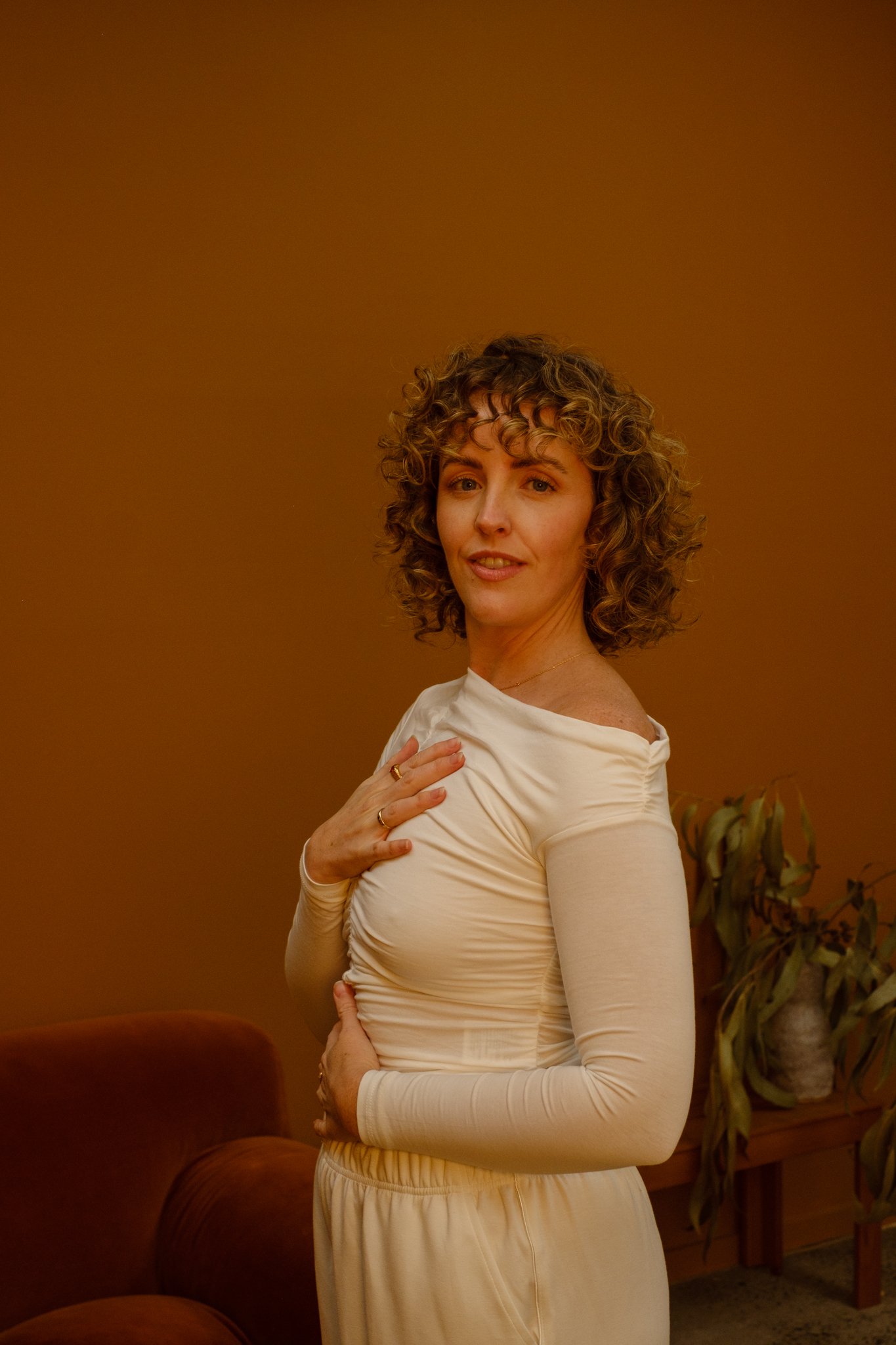
My approach is attuned, and trauma aware. Sessions are guided by what’s present in your body rather than a fixed agenda. Movement may be subtle or expressive, structured or intuitive, depending on what feels appropriate and supportive for you in that moment on that day.
Choice, consent and nervous system safety are central to how I work. You’ll never be asked to move, feel or share more than feels manageable.
The focus is on helping you build a relationship with your body that feels safe, familiar and grounded.
What I Belive
I believe the body holds experience, not just memory and that change needs to be felt rather than just understood. Regulation happens through experience, not force and healing doesn't need to be intense to be effective.
Insight is helpful, but it only gets you so far. Movement can be both therapeutic and empowering. Safety, choice and pacing are what actually make that possible.
It's not about being calm all the time either, you need to be able to feel your feelings and feel alive. The goal is to build a capable nervous system that can handle both activation and rest without getting stuck at either end.
Somatic therapy isn't about getting rid of symptoms, it's about building capacity, awareness and a sense of agency in your body over time. That takes patience and repetition, but is longer lasting than insight alone.
Qualifications & Training
Bachelor of Honours Contemporary Dance Studies
Graduate Diploma in Somatic and Dance Movement Therapy
Ongoing training in nervous system education and trauma-informed practice
Matwork Pilates
EFT & TFT Tapping Practitioner Certification (In progress)
Trauma Informed Care & Coaching Certificate
Trauma Informed Course
Yin Yoga
Polyvagal Informed
Hanna Somatics
Neuro Somatic Yoga (In training)
My work draws on somatic awareness practices, authentic movement, dance movement psychotherapy and nervous system education.
A Gentle Note
Soma Sessions offers somatic movement and dance movement therapy.
This work supports nervous system regulation and emotional awareness, but it is not a replacement for medical or psychiatric care.
If you’re unsure whether this work is right for you, please consult your GP or mental health professional. A free discovery call is a good place to start.